Thermic Fluid Oil Manufacturers A Complete Guide to Heat Transfer Oil

Thermic fluid oil, also called heat transfer oil or thermal oil, is a specially formulated fluid used in thermic fluid heaters to carry heat to process equipment in a closed loop, at high temperature but low pressure. Choosing the right oil and a reliable manufacturer is essential for safe, efficient, long-life operation.

This guide explains what thermic fluid oil is, its main types and properties, how to select a good thermic fluid oil manufacturer or supplier, and how to maintain oil life so you can keep your thermic fluid heater running at peak efficiency.
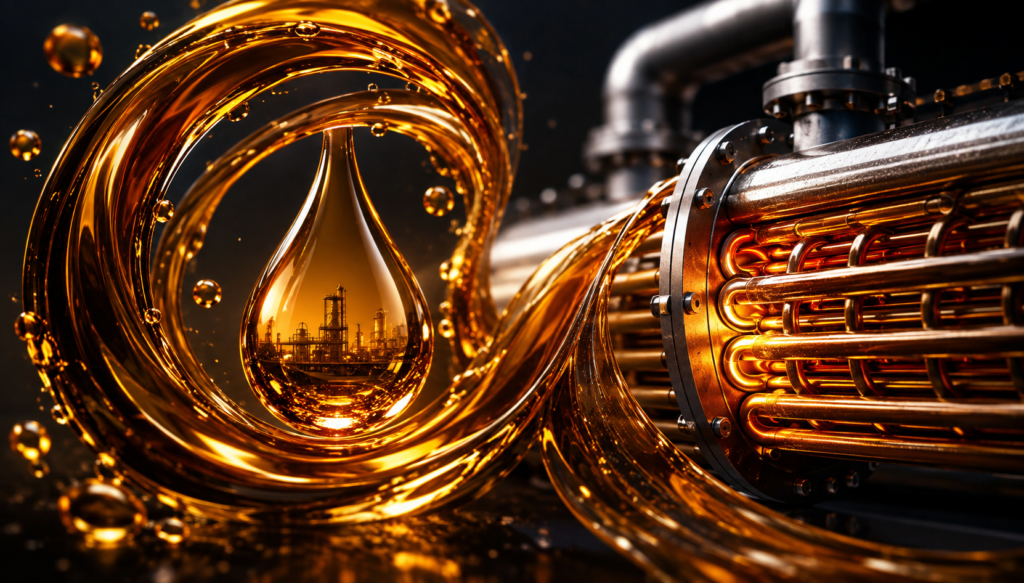
What Is Thermic Fluid Oil?

Thermic fluid oil is the heat-carrying medium in a thermic fluid heater (thermal oil heater). The oil is heated in the heater and circulated through a closed loop to the equipment that needs heat, then returns to be reheated. Unlike steam, it delivers high process temperatures — often up to around 300°C — without operating at high pressure, which makes the system safer and simpler.

Because the oil is reused continuously, its quality directly affects heater efficiency, safety, and running cost. Over time heat degrades the oil, so selecting a quality oil and the right manufacturer, and maintaining it well, are key to a long service life.

Types of Thermic Fluid Oil

Mineral-Based Thermic Fluid Oil

Refined mineral oils are the most common and cost-effective choice for general industrial heating up to moderate-high temperatures. They offer good performance and value for most process duties.

Synthetic Thermic Fluid Oil

Synthetic fluids are engineered for higher thermal stability, longer life, and operation at the upper end of the temperature range. They cost more but suit demanding, high-temperature, or continuous processes.

Properties of a Good Thermic Fluid Oil

  • High thermal stability — resists breakdown at operating temperature
  • High flash and fire point — for safe operation
  • Good oxidation resistance — slows sludge and carbon formation
  • Suitable viscosity — for smooth circulation and heat transfer
  • Low vapour pressure — keeps the system safe and stable
  • Long service life — fewer changeouts and lower cost of ownership

How to Choose a Thermic Fluid Oil Manufacturer or Supplier

  • Confirm the oil's temperature rating matches your process
  • Check published thermal stability, flash point, and viscosity data
  • Prefer suppliers offering technical data sheets and guidance
  • Consider oil life and total cost, not just purchase price
  • Ensure availability for top-ups and future replacement
  • Match the oil grade to your heater manufacturer's recommendation

Maintaining Thermic Fluid Oil Life

Good oil care extends life and protects your heater. Monitor oil condition periodically, avoid overheating, keep the system sealed against moisture and air, top up correctly, and replace the oil when tests show degradation. A well-maintained system keeps heat transfer efficient and avoids sludge and carbonisation.

Signs Your Thermic Fluid Oil Needs Replacing

  • Drop in heat transfer efficiency
  • Darkening, sludge, or carbon deposits
  • Change in viscosity or flash point on testing
  • Increased fuel consumption for the same output

Thermic Fluid Oil and Your Heater

The oil and the heater work as a system. Even the best oil underperforms in a poorly designed or maintained heater, and vice versa. As a thermic fluid heater manufacturer, Thermocare Boilers helps you select the right oil grade for your heater and process, and supports you with maintenance to maximise oil life and efficiency. Explore our thermic fluid heater range to see how the complete system fits together.

Frequently Asked Questions

What is thermic fluid oil?

Thermic fluid oil (heat transfer oil or thermal oil) is a specially formulated fluid used in thermic fluid heaters to carry heat to process equipment in a closed loop at high temperature and low pressure.

What are the types of thermic fluid oil?

The two main types are mineral-based thermic fluid oil, which is cost-effective for general use, and synthetic thermic fluid oil, which offers higher thermal stability and longer life for demanding high-temperature duties.

What temperature can thermic fluid oil reach?

Quality thermic fluid oils typically operate up to around 300°C in a thermic fluid heater, delivering high process temperatures without the high pressure of steam.

What makes a good thermic fluid oil?

A good thermic fluid oil has high thermal stability, a high flash and fire point, good oxidation resistance, suitable viscosity, low vapour pressure, and a long service life.

How do I choose a thermic fluid oil manufacturer or supplier?

Match the oil's temperature rating to your process, check thermal stability and flash point data, prefer suppliers with technical data sheets, consider oil life and total cost, and follow your heater manufacturer's recommendation.

How long does thermic fluid oil last?

Oil life depends on operating temperature, system care, and oil quality. With good maintenance it can last for years; it should be replaced when testing shows degradation in viscosity, flash point, or heat transfer efficiency.

When should thermic fluid oil be replaced?

Replace the oil when you see a drop in heat transfer efficiency, darkening or sludge, a change in viscosity or flash point on testing, or rising fuel consumption for the same output.

What is the difference between mineral and synthetic thermic fluid oil?

Mineral oils are refined and cost-effective for general heating, while synthetic oils are engineered for higher thermal stability, longer life, and higher operating temperatures at a higher price.

Can I mix different thermic fluid oils?

Mixing different oils or grades is not recommended unless the manufacturer confirms compatibility, as it can affect thermal stability and performance. Follow the supplier's and heater manufacturer's guidance.

Does the heater affect thermic fluid oil life?

Yes. A well-designed and well-maintained thermic fluid heater protects oil life, while overheating or poor circulation degrades the oil faster. The oil and heater should be matched and maintained as a system.